Little explorer.
Big universe.
There’s a whole neighborhood beyond our blue planet.
Let’s turn, zoom, and wonder our way around it.
1 amazing star.Your curiosity is the rocket.
A little closer to the cosmos.
Planets are enlarged and distances compressed so you can see every world. Orbits are simplified and motion is sped up. Planet globes use NASA mission imagery and NASA/USGS mosaics; Venus, Uranus and Neptune have plain-color fill outside mapped observations. Clouds and rings are illustrative layers. The Sun uses colorized NASA ultraviolet imagery.
A family in orbit
Welcome to our solar system! The Sun's gravity gently guides eight planets along curved paths called orbits. Each planet keeps moving forward while gravity pulls it toward the Sun, creating a great space dance that has continued for billions of years.
Choose a world to hear its story, or take a tour of all ten stops.
Where will curiosity take you?
Explore our planets, then follow your curiosity to the wider universe.
20 of 20 lessons
- The farthest planet
Windy Neptune
Journey to the distant blue planet with the solar system's fastest winds.
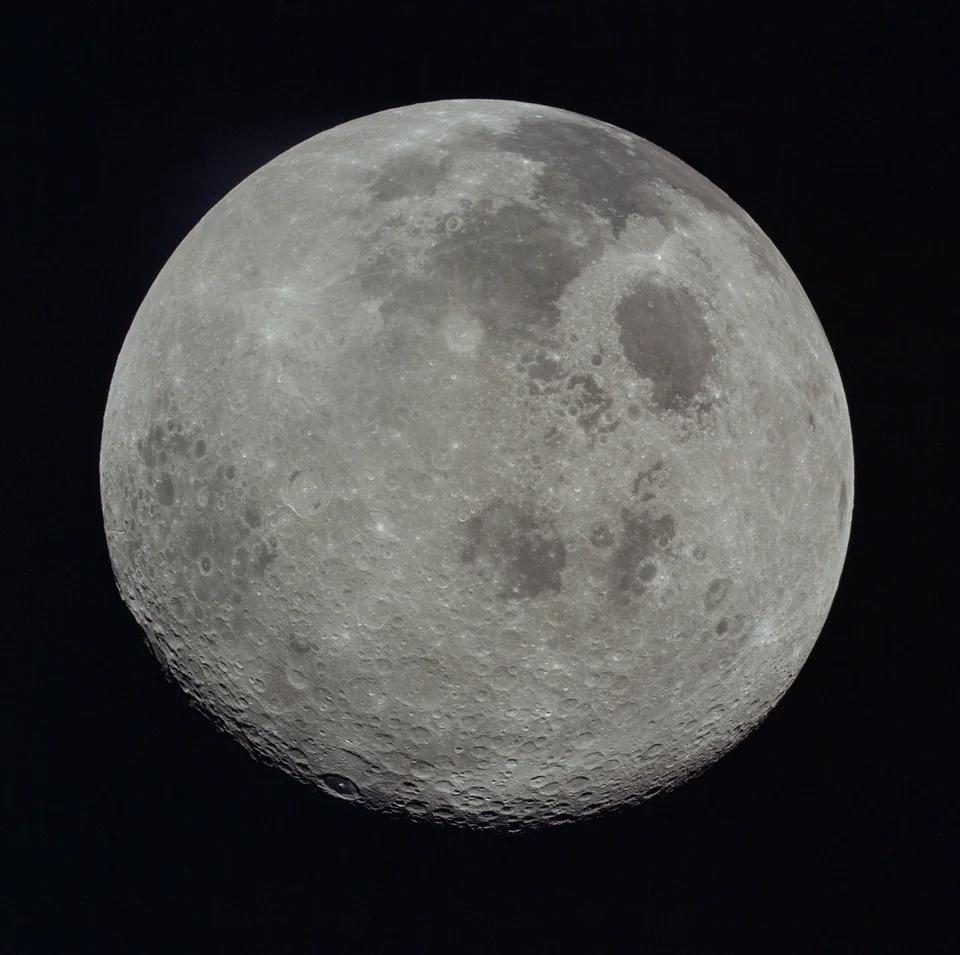 11NASA mission imageryOpen lesson Moon phases
The Moon's Changing Faces
Discover why the Moon seems to change shape even though it stays round.
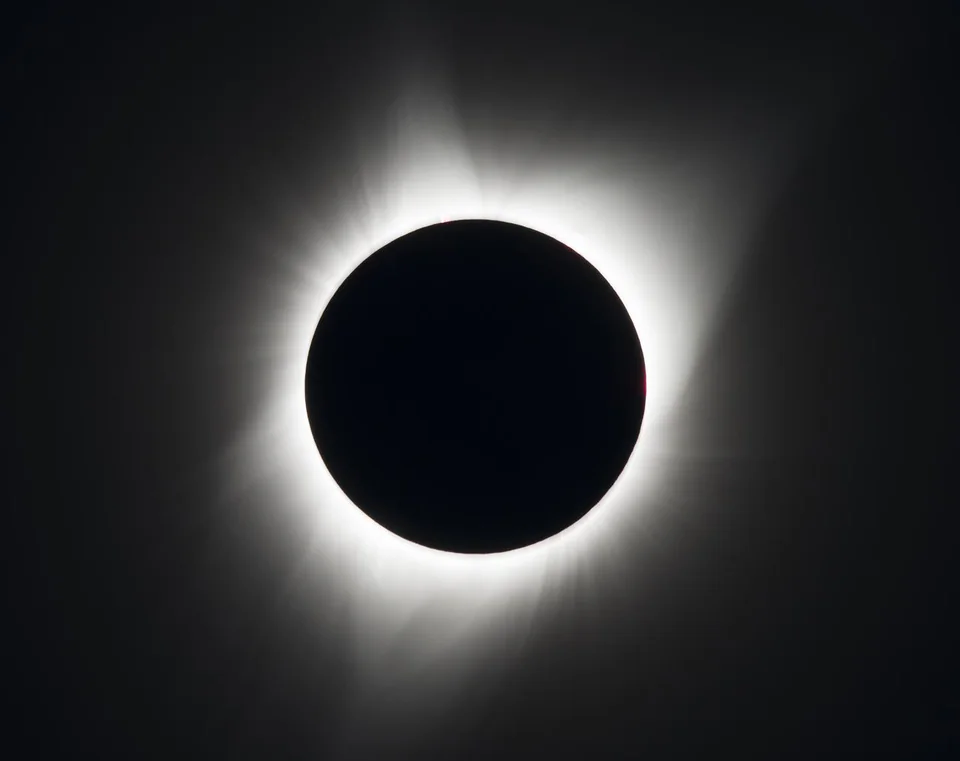 12NASA mission imageryOpen lesson
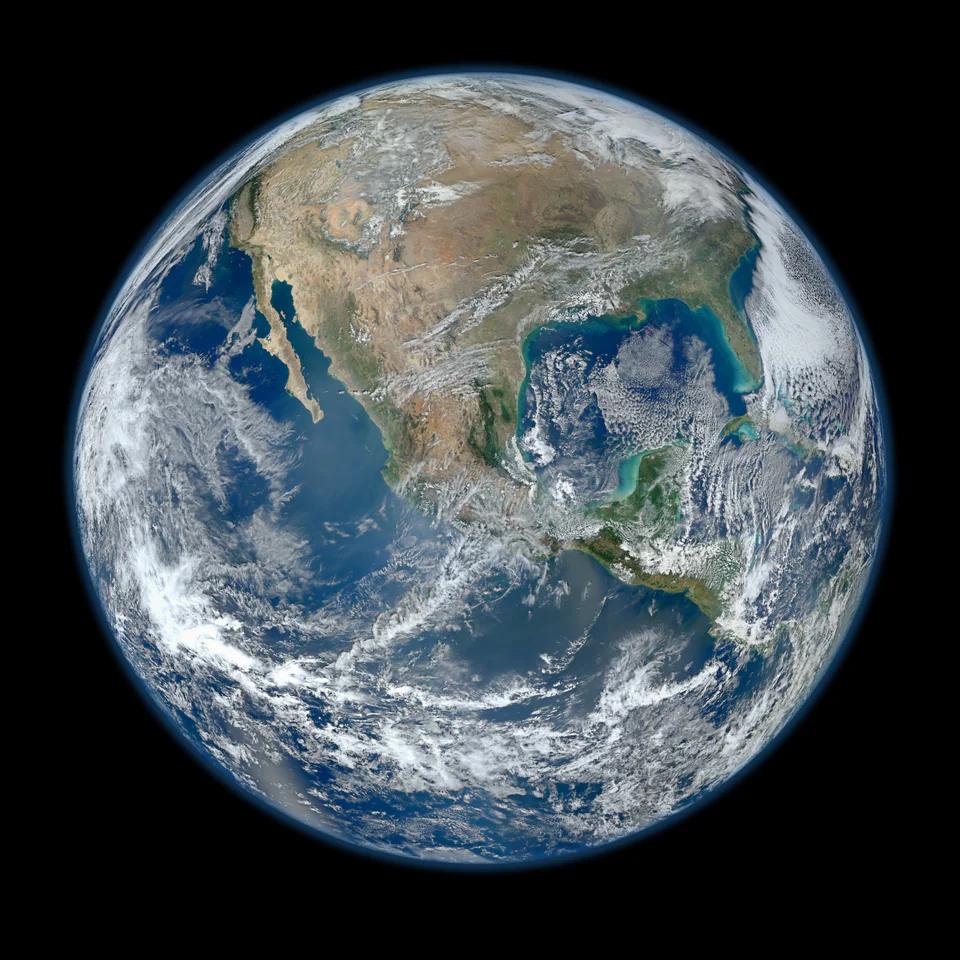 13NASA mission imageryOpen lesson
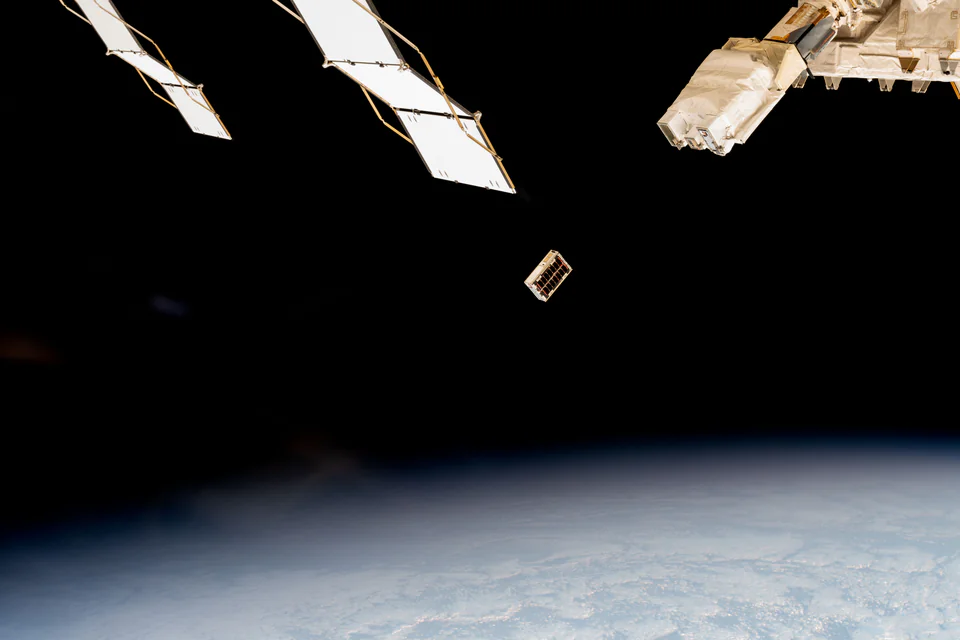 14NASA mission imageryOpen lesson
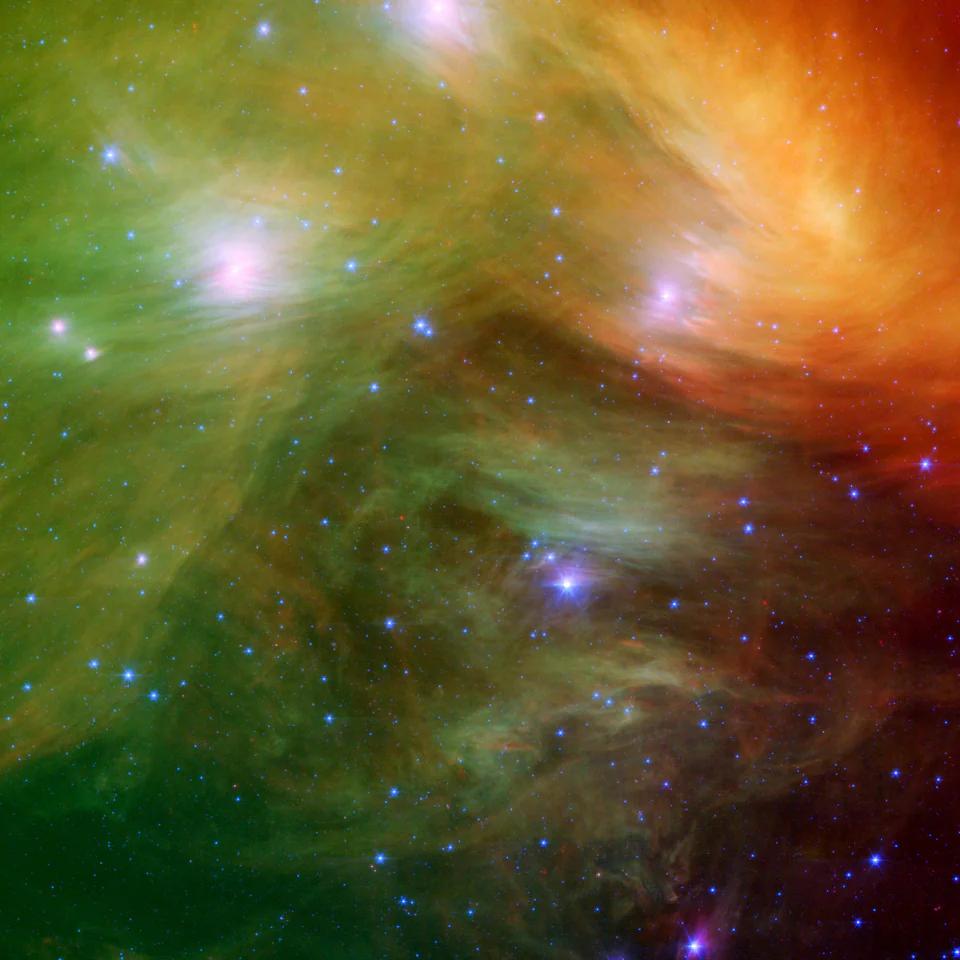 15NASA infrared imageryOpen lesson Star color and temperature
A Star's Color Clue
Use red, Sun-like white, and blue-white as clues to surface temperature.
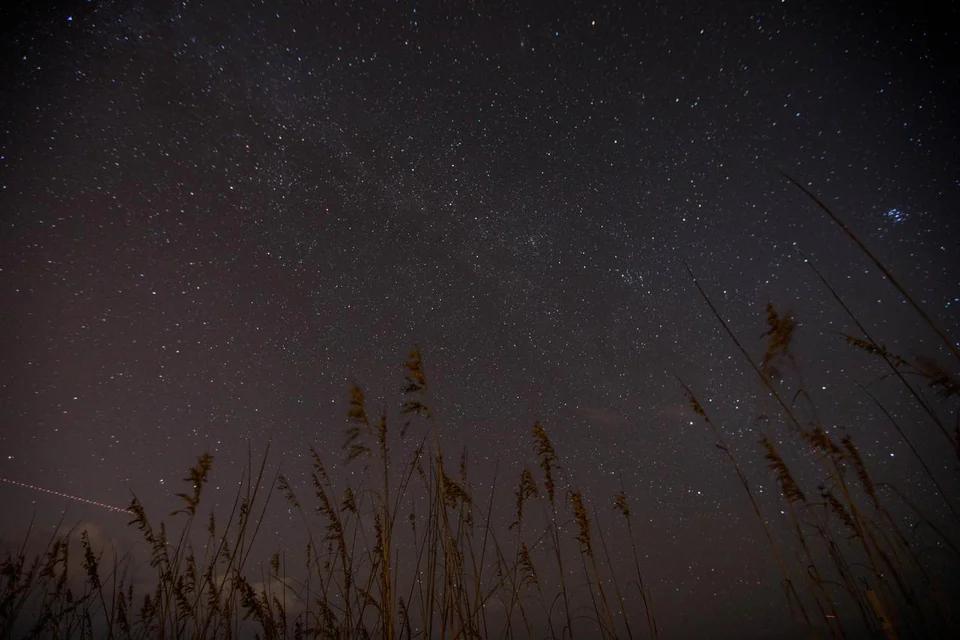 16NASA mission imageryOpen lesson Constellations and depth
Pictures in the Sky
See how people join stars into patterns even when the stars are far apart in depth.
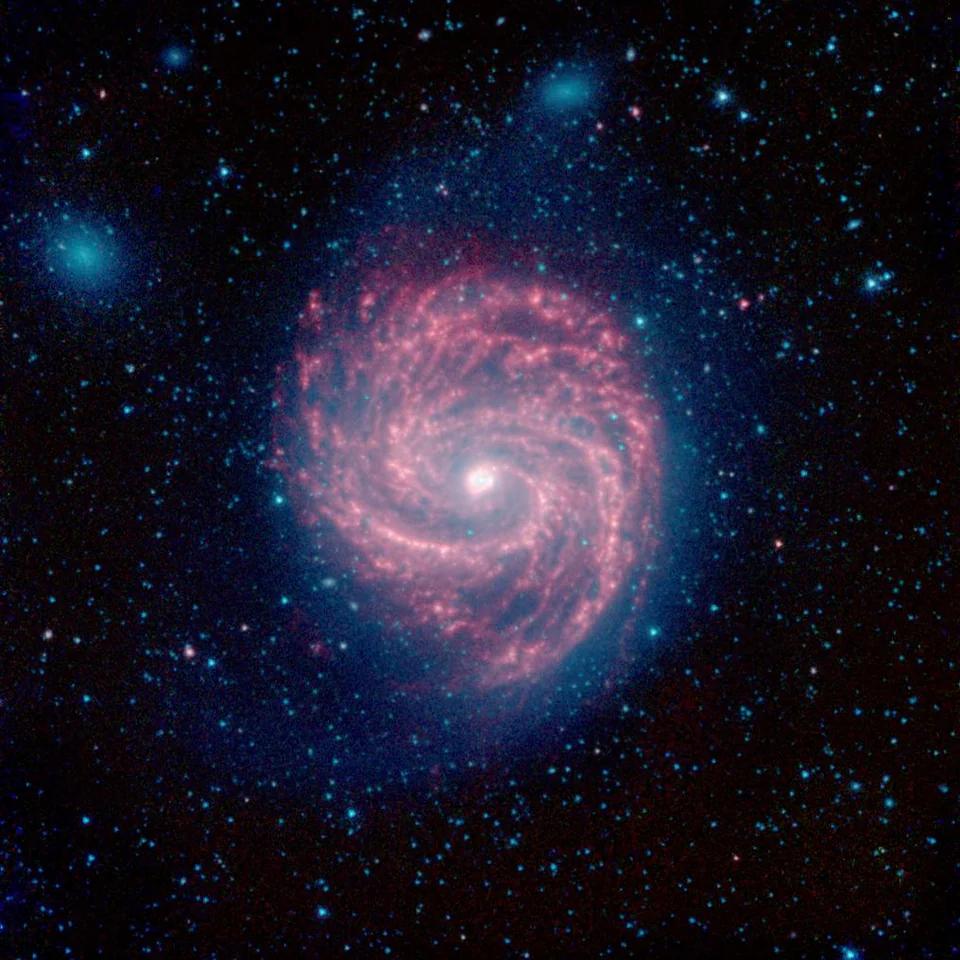 17NASA infrared imageryOpen lesson
 18NASA mission imageryOpen lesson
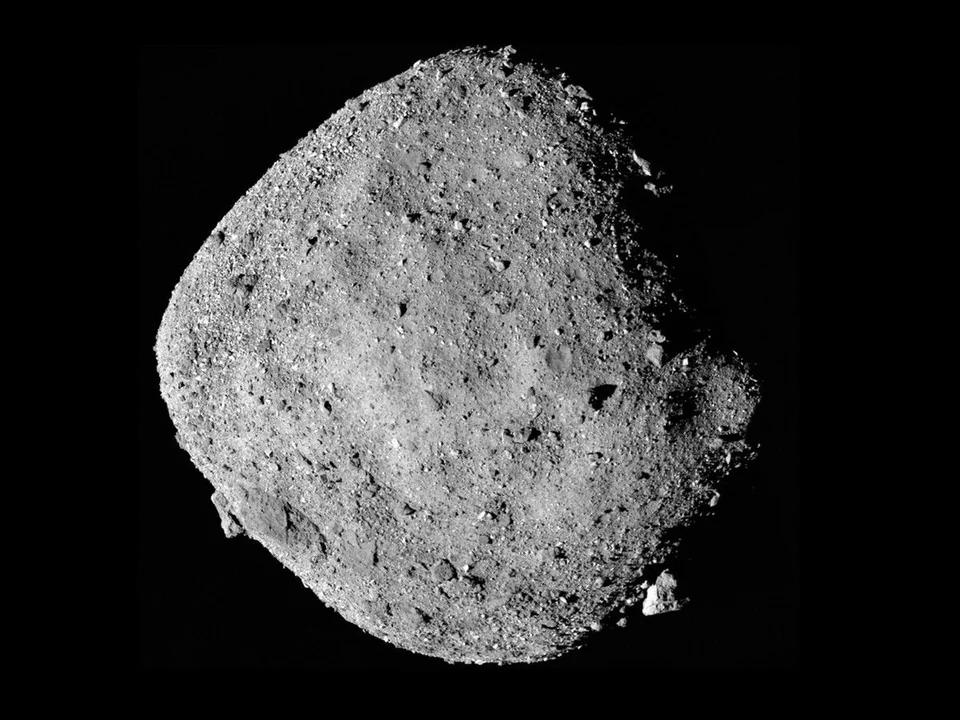 19NASA mission imageryOpen lesson Asteroids and the main belt
Rocky Asteroid Neighbors
Meet rocky space objects and find the main belt between two planets.
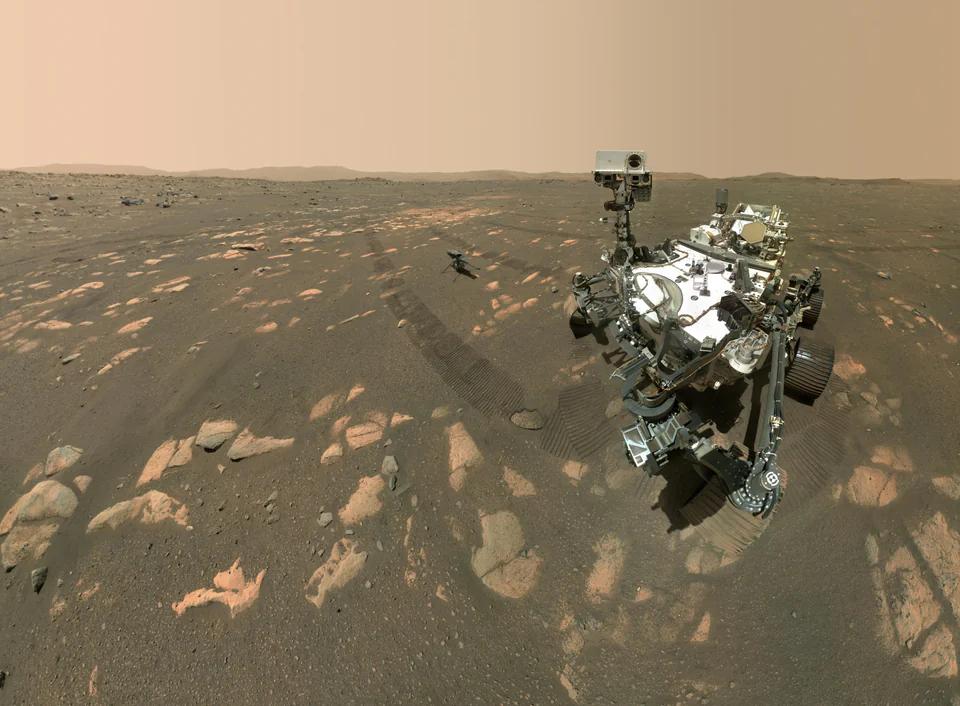 20NASA mission imageryOpen lesson Telescopes, orbiters, and rovers
Tools for Exploring Space
See how telescopes, orbiters, and rovers gather different kinds of evidence.
Small explorer.
Big universe.
Draw your favorite planet. Pretend a ball is Earth and slowly turn it beside a lamp with a grown-up. Keep asking what’s out there.
Find your next learning level →0 of 20 ideas discovered